

Ride the Rails, Breathe the Pines

Planning the Journey from Platform to Pine
Wayfinding from Station Exits to Forest Gates
01
Reading signs, maps, and apps with confidence
Combine tactile wayfinding where available with large-print or high-contrast mobile maps downloaded for offline use. Look for colour-coded greenway symbols, blue accessible signage, and quiet backstreets that bypass steep shortcuts. When in doubt, ask shopkeepers or conductors; friendly micro-directions save surprisingly large amounts of effort.
02
Managing crossings, gradients, and quiet lanes safely
Favour zebra crossings with dropped kerbs, median refuges, and audible signals. Where lanes curve without pavements, walk facing traffic with high-visibility bands and lights fixed to chairs or canes. Use gentle zigzags on long grades, resting at benches, bus stops, or low walls that welcome brief pauses.
03
Making the first five hundred metres friendly to wheels
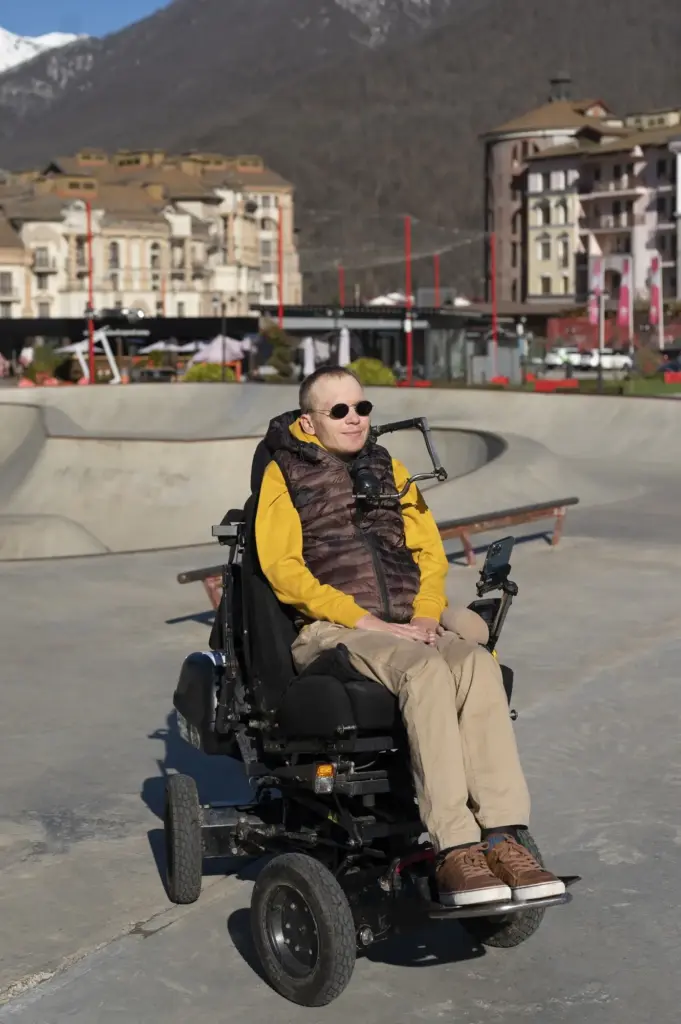
That initial stretch often decides whether the outing feels possible. Identify dropped kerbs, continuous pavements, and bus links that bridge awkward gaps. Advocate with councils for ramped shortcuts, fresh paint on wayfinding arrows, and lighting that guides dusk returns without draining batteries or nerves.
Surfaces that roll smoothly without surprises
Rest points that truly restore energy
Bridges, boardwalks, and railside connections
Trail Design That Welcomes Every Wheel
Safety, Comfort, and Dignity Outdoors
Facilities that respect bodies and time
Changing Places rooms, grab rails at the right height, and sinks reachable from a seated position preserve independence and comfort. Confirm opening hours and keys in advance. When amenities close early, identify community centres, supermarkets, or libraries nearby that quietly welcome travellers with dignity.
Emergency readiness that feels reassuring
Download offline maps, store medical notes in your phone wallet, and carry a compact whistle. Share a live location with trusted contacts before signal fades under dense canopy. A tiny torch, reflective strap, and power bank can turn minor mishaps into manageable stories rather than rescues.
Weather-wise layering and sensory comfort
Pack breathable layers that shed drizzle yet vent heat, plus a lap blanket for cool trains. Consider noise-dampening headphones, sunglasses that cut glare on water, and unscented repellents. Comfort protects attention, and attention keeps wheels true, paths legible, and decisions calm when landscapes change suddenly.